Warcraft’s history is filled with legendary weapons whose significance extends far beyond raw power. While Frostmourne and Ashbringer dominate popular discussion, many other weapons have left equally deep marks on the world’s mythology, shaping conflicts, defining characters, and influencing entire eras of storytelling. These weapons matter not because of their damage values, but because of the narratives attached to them.
This article examines several of the most iconic weapons in Warcraft history that exist outside the shadow of the most famous blades, focusing on why they resonate and how they contributed to the broader mythos.
What Makes a Weapon Iconic
An iconic weapon is defined less by rarity and more by narrative weight. In Warcraft, weapons often function as extensions of ideology, representing sacrifice, corruption, duty, or ambition. Their importance emerges from repeated narrative reinforcement rather than a single dramatic moment.
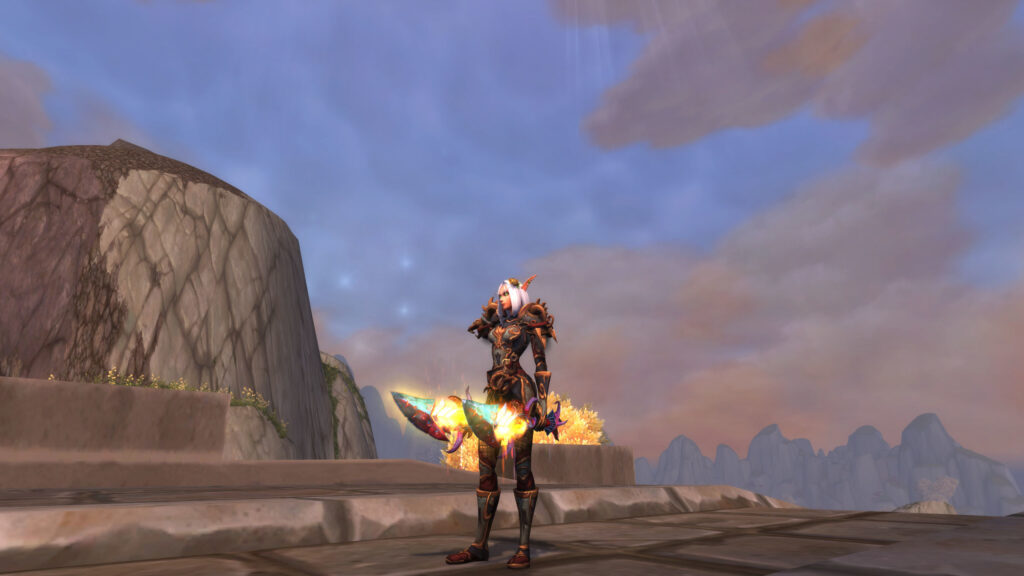
Weapons become iconic when they persist across time, are associated with pivotal decisions, or symbolize broader themes within the world. Their power is often secondary to the consequences of their use.
Weapons as Narrative Anchors
Many legendary weapons serve as anchors that stabilize complex storylines. They provide continuity across expansions and eras, allowing players to track ideological throughlines even as settings and conflicts change. A weapon wielded by multiple figures across history often accumulates layered meaning, transforming it into a narrative artifact rather than a simple tool.
This anchoring effect allows storytelling to reference past events without explicit exposition, relying on the audience’s recognition of the weapon’s legacy.
Examples of Iconic Warcraft Weapons
- Doomhammer, symbolizing shamanistic tradition, leadership, and the burden of legacy
- Atiesh, representing arcane authority, mentorship, and the continuity of magical stewardship
- Gorehowl, embodying raw martial honor and the tragedy of inherited conflict
- Sulfuras, reflecting destructive power tied to elemental dominance and hubris
- Fangs of the Father, illustrating secrecy, manipulation, and the moral ambiguity of covert warfare
Character Identity and Weapon Legacy
Weapons in Warcraft frequently become inseparable from the identities of their wielders. This association shapes how characters are remembered, often reducing complex individuals into symbolic representations carried by their armaments. In some cases, the weapon’s reputation outlives its wielder, creating a legacy that future characters must confront or reinterpret.
This dynamic reinforces the idea that power in Warcraft is rarely neutral. Every legendary weapon carries expectations, fears, and historical consequences that influence how it is perceived and used.
Thematic Diversity Beyond Holy and Corrupted Blades
While Frostmourne and Ashbringer represent clear thematic extremes of corruption and redemption, many other iconic weapons occupy morally complex spaces. Some symbolize cultural continuity, others embody pragmatic violence, and some reflect the cost of survival in an unforgiving world.
This diversity allows Warcraft’s mythology to avoid binary moral framing. Weapons can be noble without being pure, powerful without being evil, and destructive without being malicious.
Conclusion: Memory Forged in Steel
The most iconic weapons in Warcraft history endure because they carry memory. They are reminders of choices made, wars fought, and values upheld or abandoned. Even when they are no longer relevant to gameplay, they remain central to the world’s narrative identity.
By looking beyond the most famous blades, it becomes clear that Warcraft’s weapon mythology is not about singular artifacts, but about how tools of war reflect the people and cultures that wield them. In this way, the true power of these weapons lies not in their enchantments, but in the stories they continue to tell.