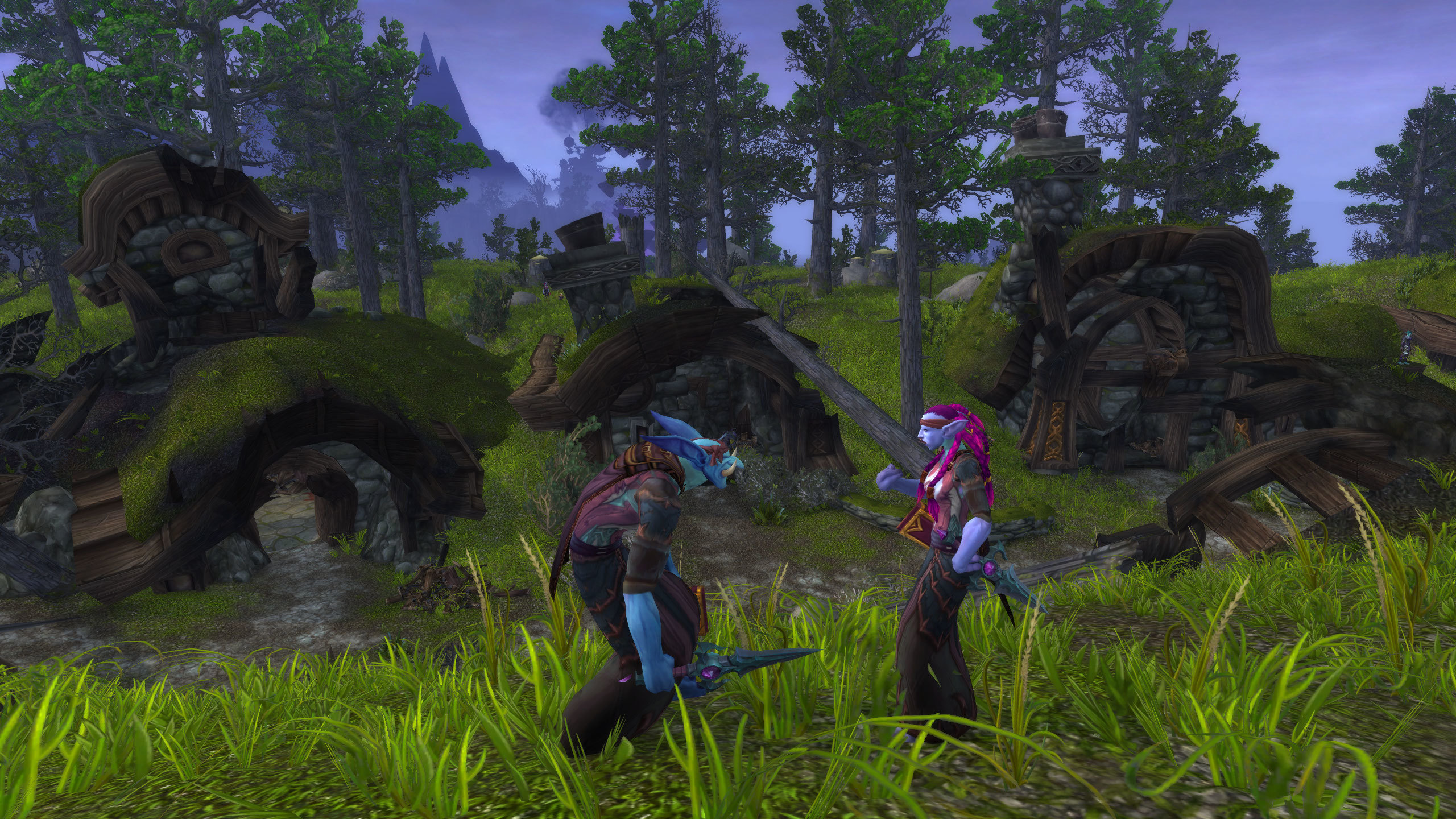
Battlegrounds represent a form of player versus player content where victory is determined less by individual mechanical skill and more by collective decision making. Alterac Valley and Warsong Gulch, despite their age, remain foundational examples of objective driven battleground design. Their continued presence highlights how coordination, role clarity, and strategic discipline outweigh raw damage output or personal scoreboards.
This guide examines how effective coordination and objective control determine outcomes in both battlegrounds, and why many losses stem from strategic failure rather than numerical disadvantage.
Objective Driven Design Versus Deathmatch Mentality
Both Alterac Valley and Warsong Gulch are structured around clear win conditions that do not reward unfocused combat. Alterac Valley prioritizes territorial control, resource denial, and commander elimination, while Warsong Gulch centers on flag captures supported by map control and timing. Despite this, many matches are undermined by players approaching these battlegrounds as open combat zones rather than strategic spaces.
This disconnect creates inefficiency. Kills that do not contribute to objectives offer diminishing returns, while time spent away from critical locations weakens overall team momentum. Understanding the battleground as a system of interlocking objectives is the first step toward consistent success.
Role Distribution and Tactical Responsibility
Effective battleground teams function through implicit role distribution. Certain players naturally assume defensive duties, others focus on offense, while some operate as disruptors or support. Problems arise when these roles are either ignored or duplicated excessively, leaving key objectives unguarded.
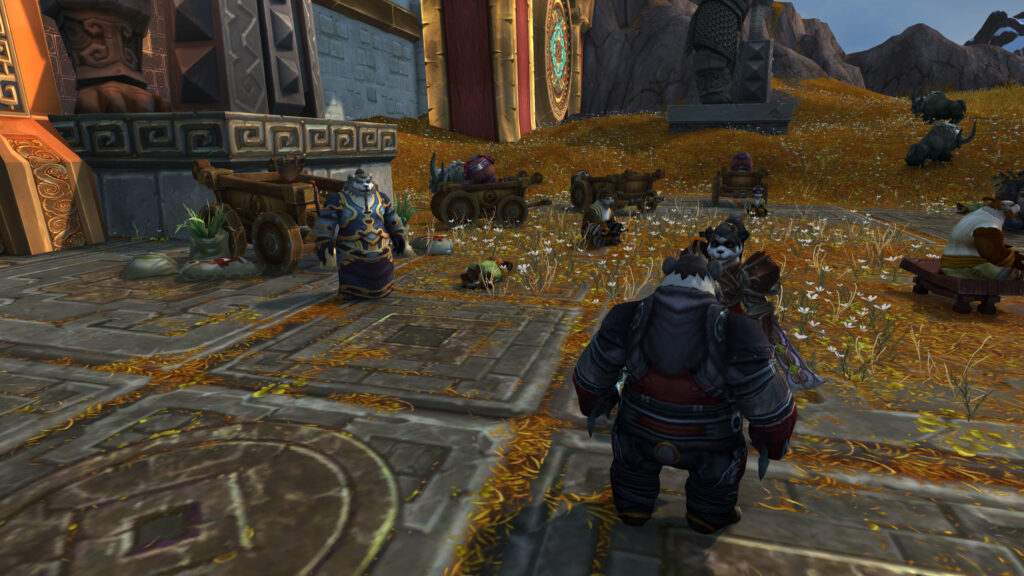
In Warsong Gulch, overcommitting to midfield combat often results in unprotected flag rooms. In Alterac Valley, abandoning defensive structures allows the opposing team to accelerate their win condition uncontested. Victory requires restraint as much as aggression.
Coordination as a Force Multiplier
Coordination amplifies the effectiveness of average players. Even minimal communication regarding enemy movement, objective status, or timing can significantly alter match outcomes. Battlegrounds reward teams that synchronize pushes, defenses, and retreats rather than acting independently.
This coordination does not require complex planning. Simple alignment around shared priorities creates momentum that is difficult to counter, especially in random group environments where opposing teams may lack cohesion.
Core Strategic Principles for Both Battlegrounds
- Prioritize objectives over personal combat statistics
- Maintain defensive presence even during offensive pushes
- Respond to map changes rather than pursuing isolated fights
- Coordinate movement to apply pressure simultaneously
- Recognize when to disengage to protect critical objectives
Common Failure Patterns and How to Avoid Them
Many battleground losses follow predictable patterns. In Warsong Gulch, teams often collapse into prolonged midfield skirmishes that stall flag progress and expose bases. In Alterac Valley, excessive focus on rushing commanders without securing supply lines leads to delayed victories or sudden reversals.
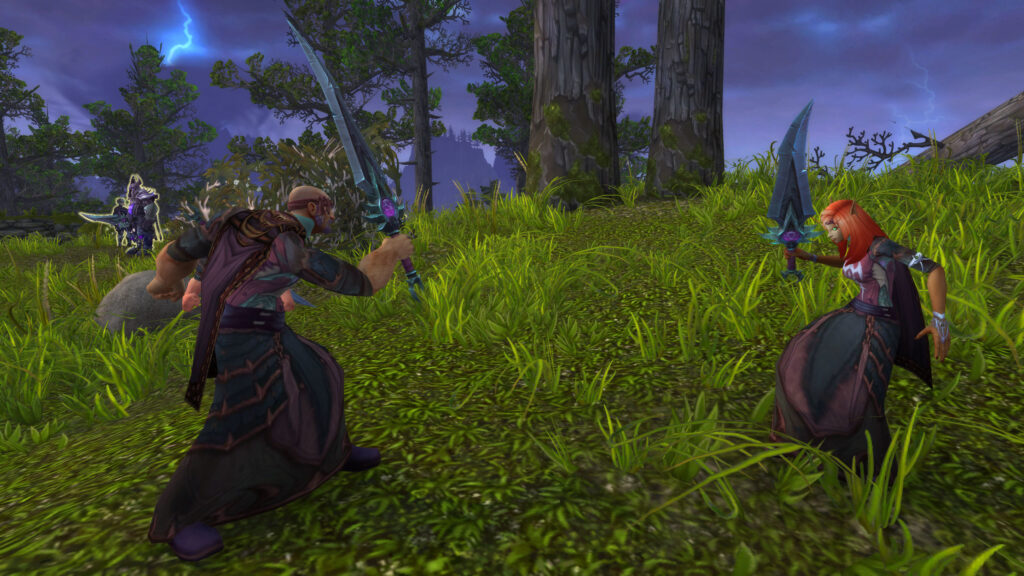
Avoiding these failures requires situational awareness and adaptability. Players must periodically reassess whether their current actions contribute directly to victory conditions. When objectives are threatened, immediate response outweighs individual momentum.
Conclusion: Discipline Over Dominance
Alterac Valley and Warsong Gulch reward disciplined play grounded in objective awareness and team coordination. Individual performance matters, but it is secondary to collective alignment. Teams that understand when to fight, when to defend, and when to reposition consistently outperform more mechanically aggressive opponents.
Mastery of these battlegrounds is not achieved through domination of the scoreboard, but through deliberate contribution to shared goals. In environments defined by many players acting together, discipline becomes the most powerful weapon available.